
Let’s be honest, choosing between ClickFunnels and Shopify is probably one of the most annoying decisions you have to make right now.
You are sitting there with a business idea, a credit card, and a headache because everyone on YouTube is shouting different advice at you. One guru says you need a funnel to survive, and the next guy swears that a branded store is the only way to build a real asset.
This guide isn’t going to bore you with technical jargon you don’t need. Instead, we are going to break down the ClickFunnels vs Shopify debate practically, so you can pick a lane and start selling.
Platform Overview: Understanding the Core Difference
Before we get into the weeds of pricing and buttons, you need to understand the philosophy behind these tools. They weren’t built for the same purpose.
What Is ClickFunnels?
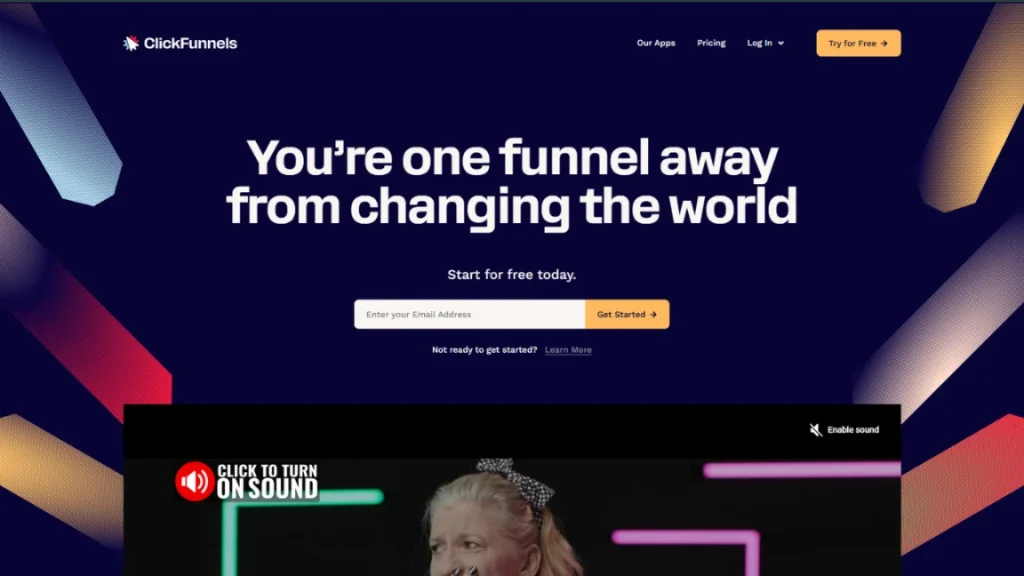
Think of ClickFunnels as a digital salesperson who grabs your customer by the hand and doesn’t let go until they buy or leave. It is a sales funnel builder platform designed specifically for conversion optimization.
You aren’t building a “shop” here; you are building a path. It is best used for lead generation, webinars, selling a single hero product, or high-ticket coaching. If you want to force a user to make a “Yes or No” decision without getting distracted by a navigation menu, this is your tool.
What Is Shopify?
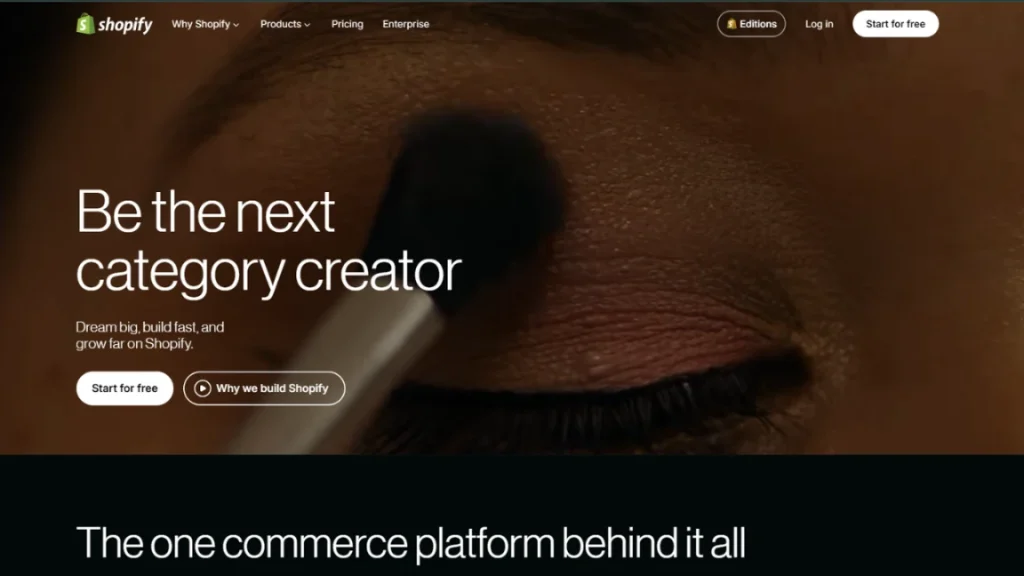
Shopify is a digital department store. It is a comprehensive e-commerce platform designed to manage a catalog of products, handle inventory, and build a brand.
Shopify wants your customers to browse, add five things to their cart, read your “About Us” page, and come back next week. It excels at inventory management software, multi-product catalogs, and scaling a retail operation. If you are building a brand that looks like Nike or Gymshark, this is where you start.
Feature-by-Feature Comparison
This is usually where people get glazed over, but stick with me. We need to look at what these platforms actually let you do day-to-day.
Sales Funnel Building Capabilities
If your goal is to guide a customer through a specific journey, the difference here is night and day.
ClickFunnels:
- It is built entirely around the funnel. You get a drag-and-drop editor that makes creating landing page builder layouts simple.
- The real magic is in the upsell downsell system. You can offer a customer a second product immediately after they buy the first one with a single click.
- Split testing is native. You can test Headline A against Headline B with a few clicks to see which one makes more money.
Shopify:
- Shopify is an online store builder, not a funnel builder. Out of the box, it’s designed for a standard “Home > Collection > Product > Cart > Checkout” flow.
- You can build funnels on Shopify, but it’s not native. You usually have to pay extra for apps like Zipify or interact with clunky code.
- It is much harder to do aggressive A/B testing tools on Shopify pages without third-party software.
Product Management & Inventory
Here is where the tables turn completely. If you are selling physical goods, pay attention.
Shopify:
- It is an absolute beast for product management platform needs. You can have 5,000 products with different sizes, colors, and materials.
- Inventory tracking system is built-in. It alerts you when stock is low and stops selling when you run out.
- It handles multi-channel selling easily, meaning you can sync your Shopify products to sell on Instagram, TikTok, and Amazon simultaneously.
ClickFunnels:
- It is terrible for browsing. You can’t really create a “catalog” where people shop around.
- There is no advanced inventory tracking. If you sell 100 units but only have 50 in the warehouse, ClickFunnels won’t necessarily stop you from selling them.
- It is designed for selling one thing at a time, or maybe a bundle, not a warehouse full of SKUs.
Dropshipping Support
I know a lot of you are interested in this model specifically.
- Shopify is the king of the dropshipping platform world. It integrates natively with suppliers like DSers, Spocket, and CJ Dropshipping. When an order comes in, it can automatically be sent to your supplier.
- ClickFunnels requires workarounds. You usually need to use a tool like Zapier to send your order data to a fulfillment center or a Google Sheet. It is not designed for dropshipping automation out of the box.
Marketing Automation & Email
You need to talk to your customers after they buy, right?
ClickFunnels:
- They treat email marketing automation as a core feature. Depending on your plan, you can build complex “Follow-Up Funnels.”
- If someone abandons a cart or buys Product A but not Product B, you can trigger specific email sequence builder workflows right inside the software.
Shopify:
- Shopify has basic email tools now (Shopify Email), but they are pretty simple.
- Most serious Shopify store owners end up paying for Klaviyo or Mailchimp to handle their customer segmentation.
- However, Shopify’s app ecosystem for marketing is massive, giving you more choices if you are willing to pay for them.
| Feature | ClickFunnels | Shopify |
|---|---|---|
| Core Focus | Sales Funnels & Leads | E-commerce Storefront |
| Inventory | Basic / Non-existent | Advanced & Real-time |
| Upsells | Native 1-Click Upsells | Requires Apps |
| Blogging | Very Basic | Strong SEO Blog Built-in |
| 3rd Party Apps | ~500 Integrations | 8,000+ App Store |
Pricing & Value Comparison
Pricing is tricky because the sticker price is rarely what you actually end up paying. You need to look at the “Total Cost of Ownership.”
ClickFunnels 2026 Pricing
- Launch Plan: $97/month. This gets you one site and limited funnels. Good for starting out.
- Scale Plan: $197/month. This is what most active businesses use for more contacts and traffic.
- Hidden Costs: Generally low. ClickFunnels features are mostly all-inclusive. You don’t usually need to buy extra plugins to make the funnel work.
Shopify 2026 Pricing
- Basic: $25/month. This runs a fully functional store.
- Grow: $65/month. Better reporting and more staff accounts.
- Hidden Costs: This is the trap. The base price is low, but you will likely spend another $50-$200/month on apps for upsell downsell systems, SEO optimization tools, and email marketing.
- Transaction Fees: Unless you use Shopify Payments, you get hit with extra transaction fees on every sale.
The Verdict on Value
If you are bootstrapping and just want to sell one product, ClickFunnels costs more upfront but might be cheaper than a Shopify store loaded with 15 paid apps. However, for a general store, Shopify pricing plans are easier to start with on a budget.
Ease of Use & Learning Curve
I’ve used both of these for years, and they frustrate me in different ways.
ClickFunnels User Experience: It is easier to learn if you want to be a marketer. The templates are written with sales copy already in them. You just fill in the blanks. The drag-and-drop builder is intuitive. However, setting up custom domains and DNS records can still be a pain for beginners.
Shopify User Experience: It is easier to learn if you want to be a shopkeeper. Setting up the store is incredibly streamlined. You literally just pick a theme and add products. But, customizing the look of your store beyond the basic theme often requires learning Liquid code or hiring a developer.
Decision Framework: Which Platform Is Right for You?
Okay, let’s cut through the noise. Here is exactly how to choose based on who you are.
Choose ClickFunnels If:
- You are selling a digital product platform (courses, ebooks, coaching).
- You are launching a single “hero” product and want to maximize the average order value.
- You rely heavily on paid ads and need a high conversion rate optimization to cover your ad spend.
- You are running webinars or need a lead generation funnel for a service business.
Choose Shopify If:
- You are building a real brand with a catalog of products.
- You are doing traditional dropshipping with AliExpress or Zendrop.
- You want to rely on SEO and organic traffic (Shopify’s blogging and site structure are much better for Google).
- You plan to sell in person (POS) or on marketplaces like Amazon and Walmart.
The “Hybrid” Approach
Here is a secret a lot of pros use: Do both.
It is common to use ClickFunnels for the “front end” marketing. You run your ads to a ClickFunnels landing page to get the sale and the upsell. Then, you use a tool like Zapier to send that customer data to Shopify for fulfillment and inventory management. This gives you the best funnel builder power combined with the best order fulfillment system.
ClickFunnels and Shopify Integration
If you decide to go the hybrid route, it is not as hard as it sounds. You don’t need to be a coder.
- Set up both accounts. You need active subscriptions for both.
- Use a connector. Native integrations exist, but third-party tools like Zapier or Make (formerly Integromat) are often more reliable.
- Map the data. You tell the system “When a New Order happens in ClickFunnels, Create an Order in Shopify.”
- Test it. Buy your own product for $1 and see if it shows up in your Shopify orders list.
This setup allows you to use ClickFunnels for aggressive sales tactics while keeping your accountant happy with Shopify’s clean reporting.
Final thoughts
Look, at the end of the day, neither ClickFunnels nor Shopify will magically put money in your bank account. They are just tools. ClickFunnels is a hammer designed to drive a specific nail (conversion), while Shopify is a Swiss Army Knife designed to run a whole business.
If you are a dropshipper with 50 products, go with Shopify. If you are a coach or have one amazing invention, go with ClickFunnels. The most important thing is that you pick one and stick with it long enough to actually launch. You can always change later, but you can’t steer a parked car.
If you are looking for more specific advice on setting up your inventory or need a reliable partner for your dropshipping journey, keep an eye our dropshipping programs like Uniqbe’s open dropship program. Sometimes having the right supplier is just as important as the software you use.
Good luck, and get that store launched!
 Hot Articles