

Dropship on Shopify is still one of the smartest ways to start an online business in 2026! It’s all about selling products without ever touching a cardboard box or fighting with packing tape. If you are looking for a low-risk startup method, sourcing products from Hong Kong and selling them globally is the way to go.
Let’s be honest, the old way of dropshipping—waiting 45 days for a packet to float over from mainland China—is pretty much dead. If you are trying to build a serious brand in 2026, speed is the only metric that actually matters.
This is exactly why Hong Kong has quietly become the premier sourcing hub for high-growth stores. By leveraging Hong Kong’s world-class logistics and tax-free port status, you can bypass those annoying mainland China customs bottlenecks and enjoy 30% faster global delivery!
This guide covers everything from store setup to AI-powered scaling, helping you build a professional brand that thrives on Hong Kong’s superior infrastructure.
Read on Complete Guide on How to Start Shopify Dropshipping
Why Shopify Dominates Hong Kong Dropshipping in 2026
If you’ve been around the e-commerce block, you know that platform choice is usually a headache.
However, in 2026, Shopify is the clear winner for anyone sourcing from Hong Kong because the ecosystem has finally matured to handle cross-border trade properly.
You aren’t just building a website; you are plugging into a global logistics network.
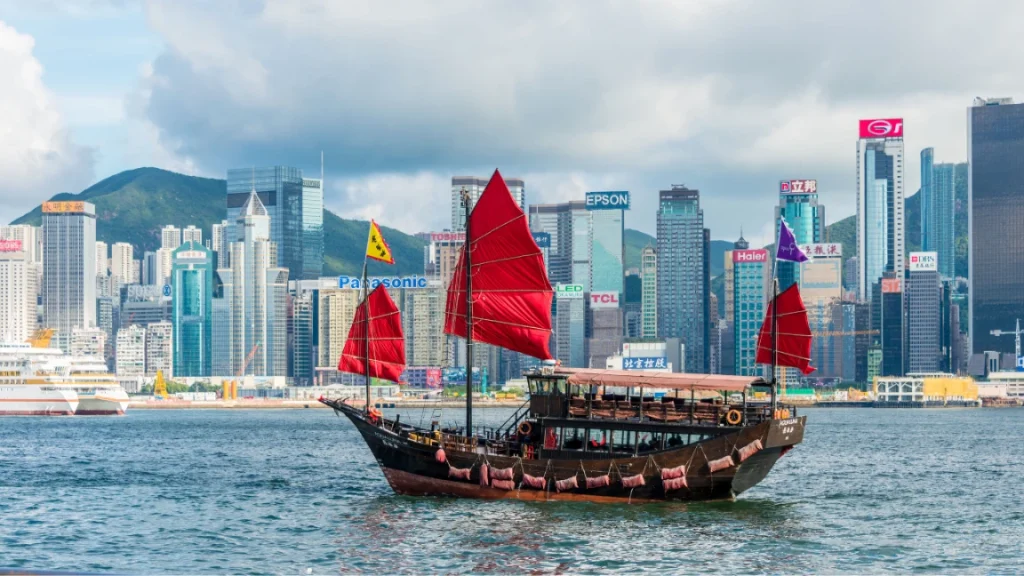
Global Hub Advantage
The biggest reason to shift your focus here is the direct integration with Hong Kong-based fulfillment centers.
Unlike mainland warehouses, which often get bogged down by strict export audits, Hong Kong is a free port.
This means you can achieve 5–7 day global shipping windows to the US and Europe, which is almost unheard of with standard dropshipping.
Financial Simplicity
Dealing with international taxes is usually a nightmare that makes you want to quit before you start.
But with a Hong Kong setup, you can seamlessly connect HK-based payment gateways like Stripe HK and PayPal.
The massive benefit here is that there is generally no local VAT on exports, keeping your accounting clean and your margins higher.
Hybrid Growth
One of the coolest features we’re seeing this year is how easy it is to mix your inventory sources.
Built-in tools like Shopify Collective allow you to mix fast US suppliers with your core Hong Kong inventory.
You can have a “Quick Ship” collection sourced domestically and a “Global Collection” sourced from HK, all managed on one dashboard.
AI-Driven Scaling
We rely on algorithms for everything now, and your supply chain shouldn’t be any different.
Advanced Shopify apps now prioritize “Fast-From-HK” suppliers to improve customer retention.
These tools automatically filter out slow suppliers, ensuring you only work with partners who can meet that strict delivery promise.
Best Apps for Hong Kong Dropshipping (Advantage vs. Disadvantage)
Choosing the right app is probably the most stressful part of the setup because you don’t want to get locked into a bad subscription.
The choice really depends on whether you value manual control, total automation, or a hybrid approach.
Here is a breakdown of the tools that are actually working right now.
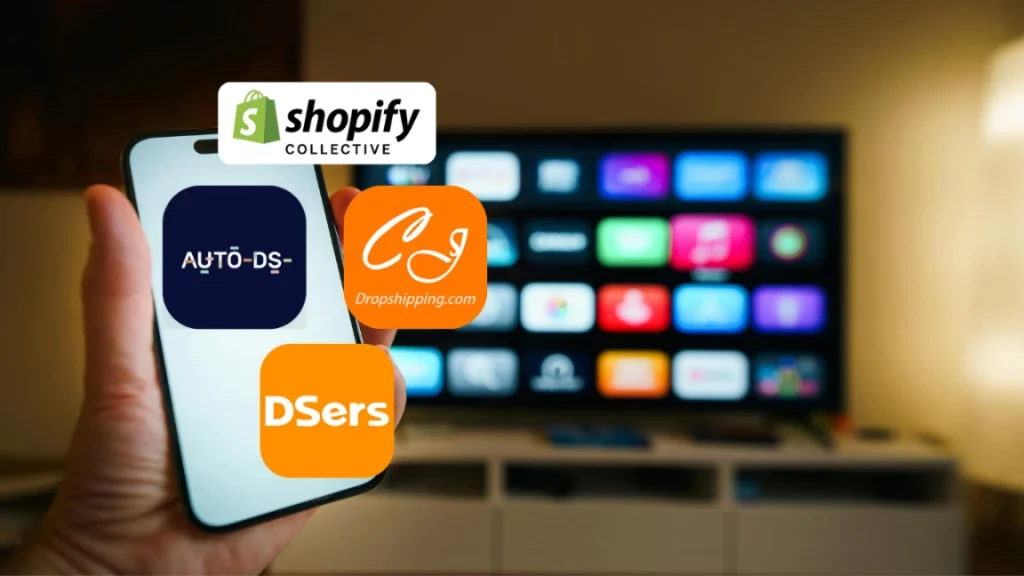
DSers (The AliExpress Standard)
If you are just starting out and watching every penny, this is likely where you will land.
- Advantage: It is the best tool for finding the specific subset of AliExpress suppliers who stock items in Hong Kong warehouses. It includes a “Supplier Optimizer” feature that helps you find the cheapest HK-based shipping routes without digging through spreadsheets.
- Disadvantage: You are heavily tied to the AliExpress ecosystem. If a supplier decides to move their stock back to mainland China overnight, you lose that “HK Speed” advantage and might not know until a customer complains.
AutoDS (The AI Automation Powerhouse)
This is for people who want to treat this like a business, not a hobby.
- Advantage: It features a dedicated “HK-Specific” filter in its 2026 Marketplace. It automates price monitoring and stock updates, which is crucial because HK stock moves much faster than mainland stock due to high demand.
- Disadvantage: It has a higher monthly subscription cost ($26/mo+) compared to DSers. That cost can eat into your margins if you are an absolute beginner with zero sales.
Shopify Collective (The Hybrid US Option)
This isn’t a traditional dropshipping app, but it’s becoming essential for scaling.
- Advantage: It allows you to supplement your Hong Kong catalog with free US suppliers for 2-day delivery on key items. This creates a “Hybrid Model” that builds massive trust with impatient customers.
- Disadvantage: Product costs are significantly higher than Hong Kong sourcing. You will see lower profit margins on those specific items, so you have to balance your mix carefully.
CJDropshipping
If you want to brand your products, this is a solid contender.
- Advantage: They offer dedicated Hong Kong warehousing services and private labeling. This is great if you want to put your logo on the box before it leaves the airport.
Summary Comparison Table
| App Name | Best For | Primary Benefit | Main Drawback |
|---|---|---|---|
| DSers | Budget Starters | Cheap HK route optimization | Reliance on AliExpress |
| AutoDS | Automation | dedicated HK-specific filters | Higher monthly fees |
| Shopify Collective | Hybrid Stores | 2-day US delivery additions | Lower profit margins |
| CJDropshipping | Branding | Private labeling in HK | Interface can be clunky |
Step 1: Market Research & “HK-First” Sourcing
You can’t just pick random products and expect to retire early.
Since you are shipping by air from Hong Kong, the physics of the product matter just as much as the demand.
Focus on Lightweight Niches
Air freight is charged by weight and volume, so heavy items are profit killers.
Focus on high-value, lightweight niches like Electronics, Jewelry, or High-end Fashion.
These categories benefit most from Hong Kong’s Free Trade status because they don’t get stuck in customs for safety checks as often as liquids or batteries might.
Utilizing AI for Selection
Stop guessing what will sell and let the data tell you.
Use AutoDS AI or similar tools to identify products specifically tagged with “Hong Kong Warehouse.”
This guarantees you can meet the 2026 shipping standards of 5-10 days, rather than the 30-day wait that kills conversion rates.
Step 2: Set Up Your Shopify Store
It’s easy to get lost in the design, but function beats fashion here.
You need a store that looks trustworthy enough to ask for a credit card number.
Planning Your Subscription
Start with the Shopify Basic plan ($29/month).
There is no need to upgrade to higher tiers until your revenue justifies the lower transaction fees.
Securing a Domain
Get a proper domain name.
Secure a .com or .shop domain that reflects a premium, global brand identity.
Avoid names that sound cheap or temporary; you want to sound like an established retailer.
Selecting the Theme
In 2026, customers expect a slick mobile experience.
Use “Dawn” or “Sense” (v15.0+)—these are optimized for the high-resolution media common in 2026 HK tech/fashion niches.
They load fast, which is critical for keeping your bounce rate low and your Google rankings high.
Step 3: Logistics & Shipping Settings
This is the boring technical part that makes or breaks your business.
If you mess this up, you will spend your whole day answering angry emails.
Set Up “HK Express” Profiles
In your Shopify settings, create shipping zones that are honest about the timeline.
Label your shipping method as “Standard Global (5–10 days)” rather than just “Free Shipping.”
This is possible via Hong Kong Post or 4PX HK, which are reliable carriers in the region.
Transparent Tracking
Anxiety is the enemy of a happy customer.
Use the AfterShip app to give customers real-time visibility as their package clears the HK International Airport hub.
When a customer sees “Departed Hong Kong” instead of “Processing,” they relax.
Step 4: Marketing Your “Premium” Route
You have to spin the location as a feature, not a bug.
Don’t hide where you ship from; elevate it.
Positioning on Ads
When running TikTok & Meta Ads, market your products as “Global Express” delivery.
Avoid the term “Economy Shipping” because it implies cheap and slow.
Highlighting the “Global Hub” aspect makes your brand sound international and sophisticated.
Leveraging Trust in FAQs
Be upfront in your Frequently Asked Questions section.
State clearly that products are “Dispatched via Hong Kong Global Hub” to differentiate your brand from slower mainland-shipped competitors.
Honesty builds trust, and trust increases your conversion rate.
Scaling in 2026
Once you have consistent sales, you need to change your strategy to keep growing.
You cannot rely on one-off orders forever.
Moving to Hybrid Inventory
Once a specific product hits consistent 10 orders/day, it’s time to stop dropshipping it one by one.
Use a Hong Kong 3PL (Third Party Logistics) provider to prepay for stock and hold it in HK.
This allows for even faster 3-day “Air-Priority” shipping because the item is pre-packed and ready to fly.
Support Automation
As you scale, customer service questions will pile up.
Use Tidio AI chatbots to handle the repetitive “Where is my order?” queries.
Configure the bot to emphasize the reliability of HK tracking numbers, reassuring customers instantly without you needing to type a response.
Final Thoughts
The days of easy money with slow shipping are gone, but that’s actually a good thing for you.
It clears out the lazy competition.
By focusing on Hong Kong dropshipping, you are building a supply chain that is faster, more reliable, and frankly, more professional than 90% of the other stores out there.
If you are looking for a reliable partner to help navigate this, Uniqbe is open for our dropship program, and we’d love to help you scale.
Good luck out there!
Frequently Asked Questions
Is dropshipping from Hong Kong better than China in 2026?
Yes. Hong Kong offers faster international transit times (2-4 days faster) and a tax-friendly environment that increases net profit margins compared to mainland China.
What are the startup costs?
Expect to spend $150–$300 initially: Shopify ($29), Domain ($15), AutoDS/DSers ($20–$50), and initial ad testing ($100+).
Which app is better for HK dropshipping?
AutoDS is better for automation and finding dedicated HK warehouses, while DSers is better for beginners on a budget using AliExpress. Use Shopify Collective if you want to add US products.
How long is shipping from Hong Kong?
Standard shipping via 4PX or HK Post takes 7–12 days; Express via DHL/FedEx from HK can take as little as 3–5 days.
 Hot Articles