
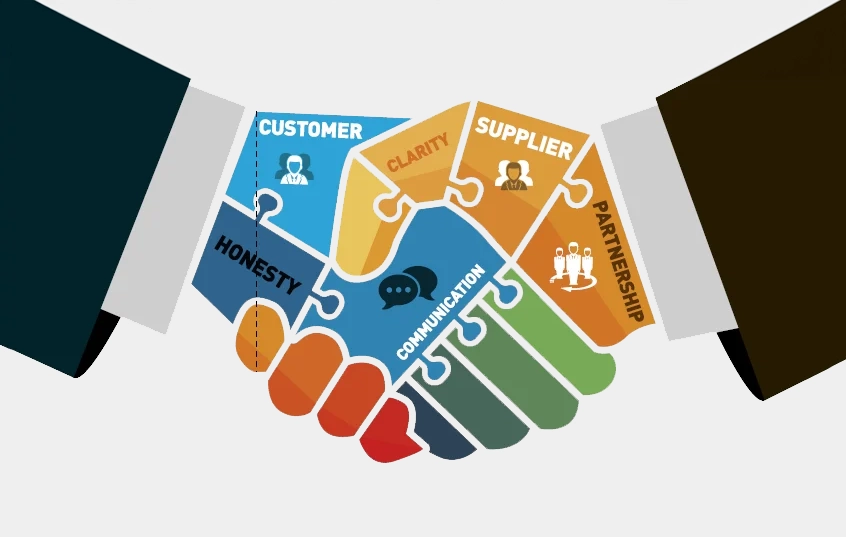
Let’s be honest for a second. The reason 90% of dropshipping stores fail within their first 90 days isn’t usually because of bad ads or a terrible website design. It’s because their “partners” left them hanging. You spend weeks building a brand, only for a supplier to ship a broken product three weeks late, leaving you to deal with the angry emails and chargebacks. It feels kinda stupid to put all that work in just to have someone else ruin your reputation, doesn’t it?
As small business owners, we are fighting against the “Amazon effect.” Customers have been trained to expect 2-day shipping and flawless returns. If you can’t match that reliability, you’re already behind. But here is the good news: finding reliable dropshipping suppliers isn’t about luck. It’s about having a boring, rigorous system.
Stop looking for a “vendor” and start vetting for a partner. This guide isn’t about quick wins; it’s a 2026-ready strategic framework. I’m going to walk you through 5 core pillars to score potential suppliers and a 4-week stress test that simulates real-world disasters before they actually happen to your customers. If you’re tired of refunds eating your margins, this is how you fix it.
5 Core Pillars for Supplier Scoring
You need to treat this like a strict grading process. When I evaluate partners, I use a simple 1-10 scoring system for each of these pillars. If a supplier doesn’t average at least an 8 across the board, they get cut. It sounds harsh, but protecting your cash flow is more important than being nice.
Here is how you should break down the 5 pillars supplier evaluation:
Pillar 1: Product Quality & Reliability
The product is the only physical touchpoint your customer has with your brand. If it feels cheap, your brand is cheap. You cannot rely on the photos they send you; those are always staged.
- Be a “Secret Shopper”: Never believe the description blindly. Order sample orders testing units without telling them you are a retailer. Does it feel substantial? Does it smell weird? (Yes, that happens).
- Audit Defect Rates: You are looking for a defect rate of less than 2%. Ask them directly: “How do you handle Quality Control (QC) before shipping?” If they don’t have a clear TQM (Total Quality Management) process, walk away.
- Check Certifications: For electronics or toys, dropshipping certifications like CE, FCC, or RoHS are non-negotiable. If they can’t produce the paperwork, you could be liable for safety issues.
- Review Analysis: Don’t just look at the star rating. Read the 1-star reviews to see if there is a pattern of product quality dropshipping issues.
Pillar 2: Shipping Speed & Fulfillment
Speed is the currency of 2026. If you are sourcing from China, “free shipping” usually means “slow shipping.” You have to balance cost with the Amazon effect dropshipping reality.
- Target Metrics: You want <7 days delivery to the US or EU. Anything over two weeks is a conversion killer.
- Processing Time: This is often hidden. A supplier might ship fast, but if they take 4 days to pack the order, you’re in trouble. Look for <48 hours dispatch time.
- Local Warehousing: Give higher scores to suppliers with warehouses in your target market (US/EU). US dropshipping suppliers might cost more, but the speed reduces customer churn.
- Tracking Transparency: Test their tracking numbers. Do they update in real-time, or do they sit on “Label Created” for five days?
Pillar 3: Pricing & Profit Margins
You are in this to make money, not just move boxes. A common rookie mistake is ignoring the “landed cost”—the total price including shipping, customs, and fees.
- Margin Health: Your supplier pricing margins need to support a 30-50% gross margin after ad spend. If the product costs $20 and you sell it for $30, you will go broke acquiring customers.
- Tiered Pricing: Ask about volume discounts immediately. “If I hit 500 units a month, what is my price?” If they don’t have a tier structure, they aren’t ready for scaling.
- Hidden Fees: Watch out for restocking fees over 10% on returns. These can quietly destroy your bottom line.
- Currency Fluctuations: If you are dealing with Hong Kong dropshipping or international partners, clarify which currency is used to avoid exchange rate surprises.
Pillar 4: Customer Support & Communication
When things go wrong (and they will), you need a human, not a chatbot. You are looking for a partner who communicates clearly and quickly.
- The 24-Hour Rule: Send a test email with a mildly complex question. If they don’t respond within 24 hours in clear English, mark them down.
- RMA Policies: Verify the RMA policy suppliers have in place. Do they require the customer to ship the item back to China? That’s a dealbreaker. You want photo-proof refunds.
- Real-Time Channels: Do they use WhatsApp, Skype, or Slack? Customer support suppliers who are available on chat apps are invaluable when you have an urgent order issue.
Pillar 5: Verification & Scalability
Can this supplier actually grow with you? It’s painful to hit a winning product and then realize your supplier runs out of stock after 50 orders.
- Legitimacy Checks: Verify their business licenses and tax IDs. This helps with dropshipping scam prevention.
- Tech Stack: In 2026, manual CSV uploads are a dinosaur tactic. You want API integration dropshipping capabilities or seamless sync with Shopify/WooCommerce.
- Capacity Check: Ask for proof of stock. If they claim to have 5,000 units, ask for a photo of the warehouse shelf with today’s date.
- Diversification: ensure they aren’t just a middleman drop-shipping from another drop-shipper. This adds unnecessary cost and time.
Read more in detail why Hong Kong dropshipping give you competitive advantages
4-Week Stress Test Process
Most people rush this. They find a product, load it on the store, and pray. Don’t do that. Follow this 4 week stress test timeline to validate your partners before you spend big money on ads. It saves you from headaches later.
Week 1: Research & Shortlist
Your goal this week is data gathering. You aren’t buying yet; you’re filtering.
- Platform Scouring: Use directories like SaleHoo or platforms like CJdropshipping review boards to find candidates.
- The Filter: Only look at “Gold Suppliers” or those with >4.8 stars and at least 2 years in business.
- Forum Intel: Go to Reddit and specialized forums. Search “Supplier Name + scam” or “Supplier Name + slow shipping.” Real users don’t hold back on their complaints.
- Initial Contact: Send your introductory email asking about the 5 pillars supplier evaluation criteria we discussed above.
Week 2: Stress Test Orders
Now we spend a little money. Budget $50-$100 for this.
- The “Secret Shopper” Buy: Place orders for your top 3 products to different addresses (friends or family).
- The Sabotage: This is my favorite part. After placing the order, email them 4 hours later asking to change the address or color. See how they handle the friction.
- Unboxing Audit: When the package arrives, record the unboxing. Is the packaging crushed? Is there Chinese marketing material inside (a big no-no)?
- Quality Check: actually use the product. Drop it. Wash it. Product quality dropshipping verification must be hands-on.
Week 3: Tech & Capacity Audit
If the physical product is good, test the backend.
- Inventory Sync: If they use an app, install it on a sandbox (test) store. Does the inventory update correctly?
- The Volume Question: Ask them, “If I scale to 100 orders a day next week, how do you handle it?” Their answer should involve specific staffing or stock reserves, not just “No problem friend.”
- Data Integrity: Check if their provided CSV files are clean or full of broken formatting. Bad data means hours of manual work for you.
Week 4: Negotiate & Onboard
They passed the test. Now you lock in the terms.
- The SLA (Service Level Agreement): Draft a simple agreement stating shipping times and refund policies.
- Payment Terms: Don’t expect credit yet, but set the expectation that after Q1, you want net-15 or net-30 terms.
- Traffic Start: Start sending live traffic. Begin with 10% of your budget to this supplier and monitor shipping speed dropshipping performance live.
Supplier Comparisons by Category 2026
It helps to know the landscape. Different regions offer different advantages. Here is a quick breakdown of how dropshipping 2026 trends are shaping up across different supplier types.
| Category | Examples | Shipping (US) | Margins | Best For |
|---|---|---|---|---|
| Global/China | CJdropshipping, AliExpress | 7-15 days | High | Beginners & Testing |
| US/EU Local | Spocket suppliers, Trendsi | 2-5 days | Medium | Speed-focused brands |
| HK/Tech Hub | Uniqbe | 4-7 days | High | Electronics & Gadgets |
| Print on Demand | Printful dropshipping | 2-7 days | Low/Med | Custom/Creative merch |
US dropshipping suppliers generally offer the best customer experience but lower margins. Hong Kong dropshipping (like Uniqbe) is often the sweet spot for electronics because HK is a free port with massive logistics infrastructure, offering faster shipping than mainland China without the high cost of US warehousing.
Building & Scaling Partnerships
Once you have a supplier, the work isn’t done. You need to manage the relationship.
Daily Operations
- Stock Checks: Even with automation, manually spot-check stock levels weekly.
- Automate: Use APIs to sync stock levels every hour to avoid overselling.
Growth Tactics
After 3 months of consistent orders, you have leverage.
- Negotiate Tiers: Ask for a 5-10% discount once you hit 100 orders/month.
- Priority Processing: Ask to be moved to the “VIP” queue for faster dispatch during Q4.
Risk Mitigation
If something goes wrong, you have two troubleshooting options:
- The Backup Supplier: Always have a second supplier ready to go who stocks the same (or very similar) SKU.
- The Refund Policy: Have a “no questions asked” refund policy for your customers, funded by the margins you saved by negotiating better terms.
Conclusion
Mastering dropshipping supplier vetting isn’t the sexy part of the business. It’s not as fun as designing ads or watching sales notifications pop up on your phone. But using this 5 core pillars assessment and the 4-week stress test is the difference between a business that scales and one that collapses under the weight of refunds.
You need to prioritize quality, speed, and automation to combat the Amazon effect. If you can secure those 30-50% margins while keeping customers happy with fast shipping, you win.
Start your shortlist today. Do the research. Be annoying with your questions. Reliable suppliers aren’t found on a list; they are vetted through hard work. If you are looking for a specialized partner, especially in electronics, keep an open mind to established players like Uniqbe who understand the dropship model.
Scale smarter, vet harder, and watch those refunds vanish.
People Also Ask
How do I score dropshipping suppliers?
Create a spreadsheet and rate them 1-10 on Quality, Shipping Speed, Pricing, Support, and Verification. If they don’t average an 8, move on.
What’s the best dropshipping supplier test?
The “Secret Shopper” method. Buy the product yourself, simulate a return, and see how they treat you. It reveals more than any interview.
How long to vet dropshipping suppliers?
I recommend a full 4 week stress test. Rushing this step is why most beginners fail.
Are US dropshipping suppliers worth higher costs?
Absolutely, if your brand promise is speed. 2-5 day shipping increases repeat customer rates, which increases Lifetime Value (LTV).
How to negotiate with dropshipping suppliers?
Bring data. Don’t promise “big sales soon.” Show them your current traffic or conversion rates. Negotiate tiered pricing based on future volume milestones.
Ready to kickstart your dropshipping journey with Uniqbe? Hit us up NOW and let’s make it happen!
 Hot Articles