
The $800 de minimis exemption that allowed low-value shipments to enter the US duty-free is ending August 29, 2025.
For dropshippers, this means every order—regardless of value—now faces customs duties, formal entry requirements, and compliance checks. Here’s how this change affects your business and what you need to do next.
We talk in general about Dropship Benefits from De Minimis Rule – Read More
What Was the US De Minimis Exemption?
The de minimis exemption under Section 321 allowed shipments valued under $800 to bypass customs duties and formal entry procedures. This rule enabled nearly 1.4 billion packages to enter the US duty-free annually, keeping costs low and clearance fast for dropshippers and customers alike.
Why the Exemption Ended
The US government eliminated the exemption to:
- Close revenue gaps from untaxed imports
- Improve trade enforcement and counterfeit controls
- Level the playing field for domestic manufacturers
- Align import rules with modern ecommerce volumes
Key Date: August 29, 2025 – All shipments now require customs entry and duty assessment.
Immediate Impact on Dropshipping Operations
Higher Costs Hit Margins Hard
Every shipment now attracts:
- Import duties (varies by product category)
- Customs brokerage fees
- Processing charges
- Potential storage fees for delayed clearance
Example: A $50 phone case from China might face 7.5% duty plus $25 brokerage fees—adding $28.75 to your landed cost.
Delivery Times Extend Significantly
Formal customs entries require:
- Accurate HTS code classification
- Complete commercial invoices
- Country of origin verification
- Compliance checks for regulated goods
Missing or incorrect documentation triggers holds that can add days or weeks to delivery windows.
Customer Experience Suffers
Surprise delivery fees cause frequent package refusals. Customers who previously paid $25 for a product may refuse delivery when hit with unexpected $15 duty charges.
Essential Compliance Requirements
Product Classification is Mandatory
Every SKU needs the correct HTS (Harmonized Tariff Schedule) code. Wrong codes lead to:
- Duty underpayment penalties
- Shipment seizures
- Audit triggers
- Legal liability
Action Required: Classify all products using the US Harmonized Tariff Schedule before shipping.
Commercial Invoice Accuracy
Your invoices must include:
- Complete seller/buyer information
- Precise product descriptions
- Accurate declared values
- Country of origin
- Correct HTS codes
- Importer of record details
Documentation Requirements
Certain products need additional permits:
- FDA registration for cosmetics/supplements
- FCC certification for electronics
- CPSC compliance for children’s products
- DOT approval for automotive items
Strategic Adaptations for Success
1. Implement Delivered Duty Paid (DDP) Pricing
Absorb duties into your product prices to provide transparent, all-inclusive costs. This reduces cart abandonment from surprise fees but requires accurate duty calculations per SKU.
2. Recalculate Landed Costs by Product
Duties vary dramatically by category:
- Electronics: 0-25%
- Textiles: 8-32%
- Jewelry: 5.5-13.5%
- Toys: 0-6.8%
Map your top SKUs to understand true profitability after duties.
3. Partner with Customs Brokers
Licensed brokers handle:
- Entry filings and CBP communications
- HTS code classification
- Duty calculations and payments
- Post-entry corrections and audits
Budget $15-50 per shipment for brokerage services.
4. Consider US Fulfillment Centers
Store popular items in US warehouses to avoid customs entirely. This works best for:
- High-volume SKUs
- Predictable demand items
- Products with high duty rates
- Time-sensitive orders
5. Explore Consolidation Services
Combine multiple orders into single customs entries to reduce per-unit clearance costs. Express consolidation services can lower brokerage fees from $25 per package to $5-10 per unit.
Technology Solutions for Compliance
Invest in systems that automate:
- HTS code classification
- Duty calculations at checkout
- Commercial invoice generation
- Customs data transmission
- Real-time tracking updates
Integration with carriers’ customs platforms speeds clearance and reduces errors.
Alternative Market Opportunities
Target Countries with Higher Thresholds
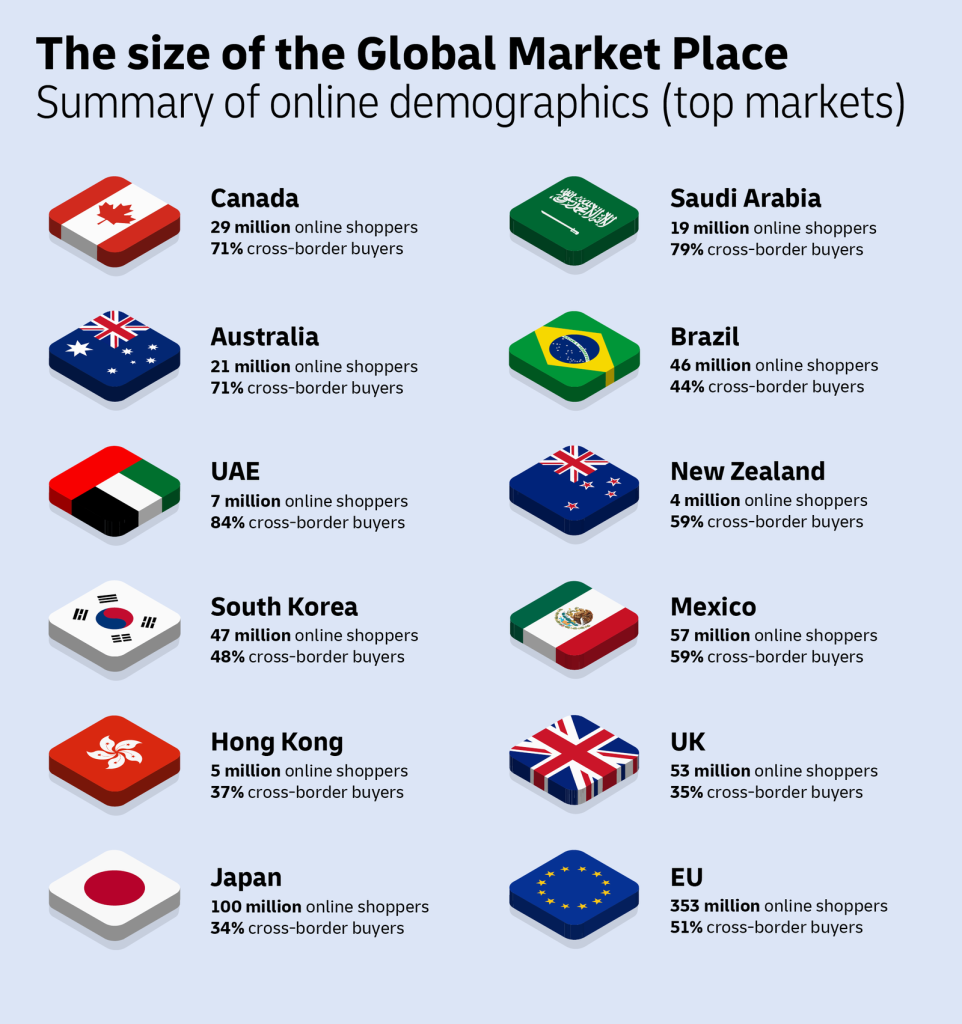
While adapting to US changes, consider expanding to markets with favorable import rules:
- Australia: AUD $1,000 threshold
- Canada: CAD $150 for USMCA shipments
- UK: £135 threshold
Competitive Advantages for Prepared Businesses
Merchants who master compliance early will gain market share as competitors struggle with:
- Unexpected costs eating margins
- Delivery delays damaging reputation
- High return rates from refused packages
- Customer service issues from surprise fees
Cost Management Strategies
Duty Absorption Models
Full DDP: Include all duties in product price
- Pros: Transparent pricing, lower returns
- Cons: Higher displayed prices, margin pressure
Hybrid Model: Absorb small duties, charge for large ones
- Pros: Balanced approach, managed costs
- Cons: Complex implementation, customer confusion
Dynamic Pricing Adjustments
Use landed-cost calculators to:
- Adjust prices based on destination and duties
- Offer shipping options with different duty models
- Display total costs at checkout
- Maintain competitive margins
Customer Communication Best Practices
Clear Pricing Display
- Show “All duties included” prominently
- Provide duty breakdowns at checkout
- Compare total costs vs. competitors
- Explain pricing changes simply
Proactive Updates
- Send customs status notifications
- Explain any delays clearly
- Provide tracking through clearance
- Set proper delivery expectations
Frequently Asked Questions
Q: When did the de minimis exemption end?
A: August 29, 2025. All shipments now require customs entry regardless of value.
Q: Do dropshippers have to pay duties?
A: Someone must pay—either you absorb duties (DDP model) or customers pay on delivery (DDU model).
Q: What happens to orders under $10?
A: All shipments face duties and entry requirements. Value doesn’t matter anymore.
Q: Can I avoid duties by splitting orders?
A: No. Each shipment is assessed individually, and splitting orders may trigger additional scrutiny.
Q: How much do customs brokers charge?
A: Expect $15-50 per shipment for brokerage services, plus applicable duties and taxes.
Action Steps for Immediate Implementation
- Audit Your Top 50 SKUs: Get correct HTS codes and calculate landed costs including duties
- Update Checkout Systems: Display total costs including estimated duties
- Choose Your Duty Model: Decide between DDP pricing or customer-pays approach
- Find a Customs Broker: Establish relationships before you need urgent help
- Test Documentation: Ensure invoices meet all accuracy requirements
- Communicate Changes: Prepare customer messaging about new pricing structure
The Bottom Line
The de minimis exemption’s end fundamentally changes dropshipping economics. Success requires embracing compliance, transparent pricing, and operational excellence. Merchants who adapt quickly will gain competitive advantages while others struggle with surprise costs and delivery delays.
Start your compliance audit today. Map your duty exposure, update your pricing strategy, and partner with customs professionals. The winners in post-de minimis dropshipping will be those who turn regulatory challenges into competitive advantages through superior preparation and execution.
Get started your Smartphone Drosphipping with Uniqbe – Dropshipping Program we ship for your business worldwide including US, AG, BR, AU, NZ and more
 Hot Articles