
If you’ve ever searched for affordable products to scale your business inventory or simply wanted to find reliable suppliers for your retail operation, you’ve probably come across Alibaba Vs AliExpress.
Both platforms originate from the same Alibaba Group ecosystem, yet they serve fundamentally different business models, order volumes, and risk profiles.
For wholesale electronics traders navigating slim margins on flagship devices, the wrong platform choice can mean counterfeit stock, China ROM devices, and crippling shipping delays.
This guide cuts through the noise with a direct, data-driven comparison built for serious B2B buyers. Let’s break down how these platforms actually work so you can make the right call for your business.
Table of contents
Understanding Alibaba and AliExpress: Platform Overviews
Alibaba: The Wholesale Marketplace
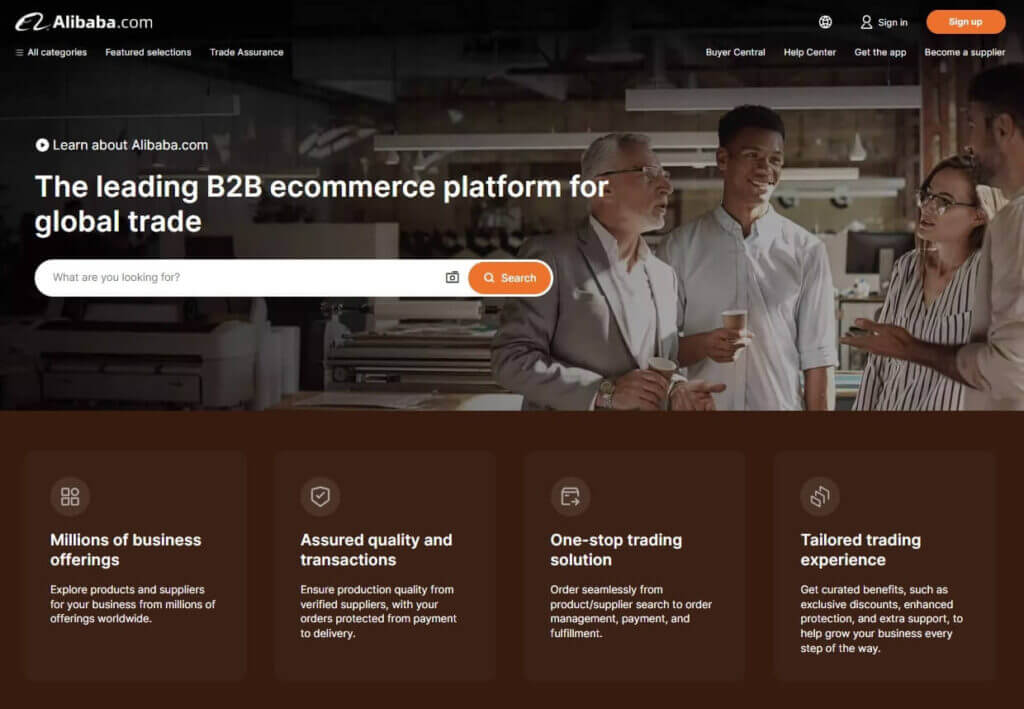
Alibaba is primarily designed for wholesalers, manufacturers, and bulk buyers engaging in B2B transactions. If you’re sourcing products in large quantities or looking to customize items with your brand labels, Alibaba offers a powerful network of suppliers to bring your visions to life.
One of Alibaba’s standout features is its focus on minimum order quantity (MOQ) policies, which typically require you to commit to bulk purchases—perfect if you have storage capacity and want to negotiate better prices.
Suppliers on Alibaba often provide product customization options to meet your exact specifications—from packaging to product features. Plus, the platform offers a supplier verification system, which vets manufacturers to help minimize fraud.
You also gain access to negotiation tools, allowing you to bargain for better rates and terms directly with sellers.
AliExpress: The Retail-Focused Platform
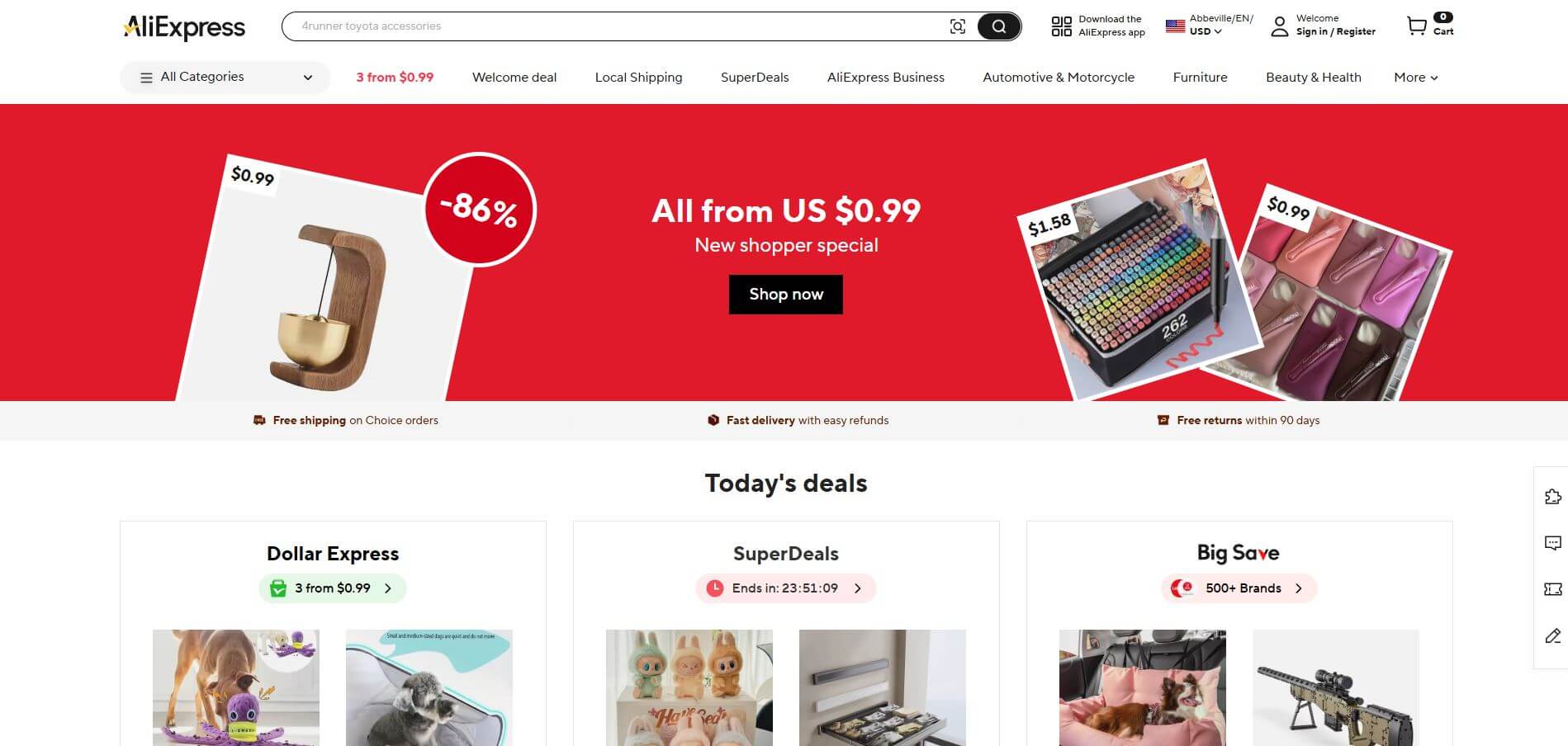
AliExpress caters to retail consumers, small businesses, and dropshipping entrepreneurs. Its structure suits buyers who want to place low-quantity or single-item orders with ease, without worrying about minimums.
Products are typically ready-made and available for immediate shipping, enabling you to quickly test new items or fulfill small customer orders.
AliExpress boasts a broad product variety, spanning electronics, fashion, home goods, and more—all accessible without bulk commitments. For dropshippers, AliExpress integrations with popular e-commerce tools make it simple to automate orders directly to customers, streamlining inventory management.
Who Uses Each Platform?
C-level procurement executives, established distributors, and major electronics wholesalers rely heavily on Alibaba. These buyers move high volumes of stock and need the deep discounts that come with large-scale purchasing. They treat sourcing as a long-term strategy rather than a quick transaction.
On the flip side, AliExpress attracts dropshippers, small retail owners, and individuals testing out new gadgets. It is the perfect playground for finding single items without a large upfront cash commitment.
Understanding who uses each platform sets the foundation for your strategy. Now, let’s examine where the real financial differences emerge for your sourcing operation.
How Do Alibaba and AliExpress Compare on Pricing and Minimum Order Quantities?
MOQ Structure and Bulk Pricing Mechanics
Alibaba suppliers almost always enforce a minimum order quantity (MOQ) before they will do business with you. When dealing with minimum order quantity electronics, you will typically need to buy 50 to 500 units at once. However, your unit price drops significantly as your order volume increases.
AliExpress removes this barrier entirely because it has no MOQ requirement. You can easily buy just one unit, making it a useful tool for sampling products. The downside is that you pay fixed retail pricing, leaving almost no room for a wholesale discount.
Here is a quick look at how the two platforms compare on order size and pricing flexibility:
| Factor | Alibaba | AliExpress |
|---|---|---|
| MOQ | 50–500+ units | 1 unit |
| Unit Price | Lower at volume | Fixed retail pricing |
| Price Negotiation | Yes (direct supplier) | Limited |
| Bulk Discount | Significant | Minimal |
| Best For | Wholesale operations | Dropshipping |
Margin Impact for Electronics Traders
Wholesalers selling flagship devices often work with very tight profit margins of just 5% to 8%. Because of this, Alibaba’s bulk pricing structure is the only realistic way to stay profitable. You need those volume discounts to make the math work on high-end hardware.
AliExpress pricing rarely leaves enough room for resale margin on premium brands like Apple or Samsung. If you buy a phone at near-retail price, you simply cannot mark it up enough to make money.
“A smart approach is to use AliExpress just to buy a single test unit. Once you verify the quality, you can move over to Alibaba to negotiate your bulk order. Price is only one variable, though—supplier authenticity and device legitimacy carry equal or greater weight.”
Which Platform Offers Better Supplier Verification and Authenticity Assurance?
Supplier Vetting Mechanisms on Alibaba
Alibaba uses “Verified Supplier” and “Gold Supplier” badges to show that a third party has checked a factory’s credentials. These audits look at production capacity and business legitimacy to keep buyers safe. This step is vital when you plan to spend thousands of dollars on inventory.
However, a major risk remains: unverified suppliers might ship devices meant only for the Chinese market. The China ROM vs Global Version issue is like buying a car with the steering wheel on the wrong side. China ROM devices lack Google Mobile Services (GMS) and the right 5G bands, which leads to angry customers and high return rates.
To protect yourself, always ask for IMEI verification and detailed spec sheets. You should also demand a physical sample unit before you sign off on a bulk purchase.
Authenticity and Fraud Exposure on AliExpress
AliExpress relies on a basic seller rating and customer review system to build trust. Unfortunately, this setup offers much weaker third-party verification than Alibaba’s strict factory audits. You are largely taking the seller’s word for it.
This platform exposes buyers to a much higher counterfeit electronics risk management problem. It is common to find replica, refurbished, or falsely labeled smartphones and tablets hiding among genuine listings.
While the buyer protection program helps with disputes, getting a refund on a high-value claim can be a very slow process. If your business requires strict component authentication, AliExpress simply will not cut it. Even verified stock is worthless if it does not arrive on time, so logistics performance is the next critical variable.
How Do Alibaba and AliExpress Perform on Shipping Speed and Logistics Reliability?
Shipping Options and Lead Times Compared
Alibaba orders usually travel via air freight or sea freight because of their massive size. Depending on where the supplier is located, lead times typically stretch from two to six weeks. It requires patience and careful inventory planning.
AliExpress gives you more flexible, small-scale choices like ePacket, standard shipping, or private couriers like DHL. Delivery times range from a quick 7 days to a full 6 weeks.
For an electronics trader, a one-week shipping delay is a serious problem. The smartphone depreciation wholesale impact is severe, as devices can lose 25% to 35% of their value in the first year. Speed directly protects your profit margins.
Logistics Risk Management for Electronics Wholesalers
Shipping bulk orders through Alibaba involves complex customs paperwork and clearance steps. This is especially true if you route your goods through major trade hubs in Dubai or Asia.
Many traders prefer the Hong Kong electronics import duty-free setup to lower their costs. Shipping bulk orders into Hong Kong is legally secure and avoids heavy tax tariffs. AliExpress small parcels are easier to clear through customs, but that method completely fails when you need to move high volumes.
To reduce logistics risks, always hire a freight forwarder who specializes in electronics. Track your shipments at the SKU level and keep a buffer stock to survive unexpected delays. Fast delivery protects your stock value, but secure payments protect your capital before the goods ever leave the factory.
Which Platform Provides Stronger Payment Protection and Trade Security?
Trade Assurance vs. AliExpress Buyer Protection
Alibaba Trade Assurance escrow acts like a secure holding tank for your money. The platform keeps your funds safe and only pays the supplier after you confirm the order meets your standards. It covers you if the quality is poor, delivery is late, or the specs do not match your contract.
AliExpress offers a simpler Buyer Protection program meant for everyday shoppers. It mostly covers items that never arrive or look completely different from the photos. You usually have 15 to 60 days after delivery to ask for a refund.
For serious wholesale buyers spending $50,000 to $500,000, Trade Assurance is the clear winner. It provides the strong legal and financial contracts you need to sleep well at night.
Banking and KYC Considerations for High-Value Transactions
Moving large sums of money on Alibaba can trigger strict KYC AML electronics payment compliance checks from your bank. Traders operating in places like Hong Kong must prove their business is legitimate to avoid frozen accounts.
Because AliExpress transactions are usually small, they rarely cause banking headaches. However, that lack of friction also means you have less legal help if a high-value dispute occurs.
Here is a breakdown of the best payment methods by platform and order size:
| Platform | Recommended Payment | Protection Level | Best For |
|---|---|---|---|
| Alibaba | Trade Assurance / T/T | High | Bulk orders $10K+ |
| Alibaba | Letter of Credit | Very High | Orders $100K+ |
| AliExpress | Credit Card / PayPal | Moderate | Orders under $1K |
| AliExpress | AliExpress Wallet | Low–Moderate | Small repeat orders |
With security frameworks understood, the final decision comes down to aligning platform capabilities with your specific business model.
Final thoughts
For serious electronics wholesalers and distributors, the Alibaba vs AliExpress decision is not simply a preference — it is a strategic call that directly impacts supplier reliability, device authenticity, margin performance, and logistics resilience. Alibaba dominates for bulk procurement of verified, GMS-compatible premium hardware, while AliExpress serves a defined but limited role in sampling and dropshipping. The most resilient sourcing strategies use both platforms deliberately, layering in B2B trade verification tools and robust payment protection frameworks.
Audit your current sourcing stack, align your platform choice with your order volumes, and protect your margins before your next purchase order is placed. If you are looking to scale without the headache of holding bulk inventory, Uniqbe is open for our dropship program. It is a practical way to access genuine products reliably—sign up if you are interested in streamlining your supply chain!
Frequently Asked Questions (FAQs)
FAQ 1: Can I source genuine Apple or Samsung devices on Alibaba or AliExpress? Genuine flagship devices do appear on both platforms, but the risk of counterfeit or refurbished stock is significant. On Alibaba, working exclusively with Verified Suppliers and requesting IMEI documentation and sample units before bulk orders substantially reduces risk. AliExpress carries higher counterfeit exposure and is not recommended as a primary channel for flagship electronics procurement.
FAQ 2: What is the difference between Alibaba and AliExpress for dropshipping? AliExpress is designed for dropshipping — it has no MOQ, supports individual order fulfillment, and integrates with popular dropshipping platforms. Alibaba is wholesale-focused and requires bulk orders, making it unsuitable for standard dropshipping unless you operate a hybrid model with warehousing.
FAQ 3: Is Alibaba safer than AliExpress for large electronics orders? For large orders, Alibaba’s Trade Assurance program offers stronger contractual protection than AliExpress Buyer Protection. Trade Assurance holds payment in escrow until order compliance is confirmed, providing meaningful recourse for high-value disputes involving quality or specification issues.
FAQ 4: How do I avoid receiving China ROM devices when sourcing from Alibaba? Specify “Global Version” with Google Mobile Services (GMS), full multi-language support, and international 4G/5G band compatibility in your purchase agreement. Request sample units before bulk commitment and verify IMEI numbers against manufacturer databases to confirm firmware legitimacy.
FAQ 5: Which platform is better for electronics traders based in Hong Kong or Dubai? Alibaba is generally better suited to traders operating from Hong Kong or Dubai logistics hubs. Bulk freight shipments to Hong Kong benefit from the territory’s duty-free import status and streamlined customs environment. Dubai-based MENASA traders also benefit from Alibaba’s volume pricing and supplier negotiation flexibility for high-turnover stock categories.
 Hot Articles